
Chaos magic for beginners: start here
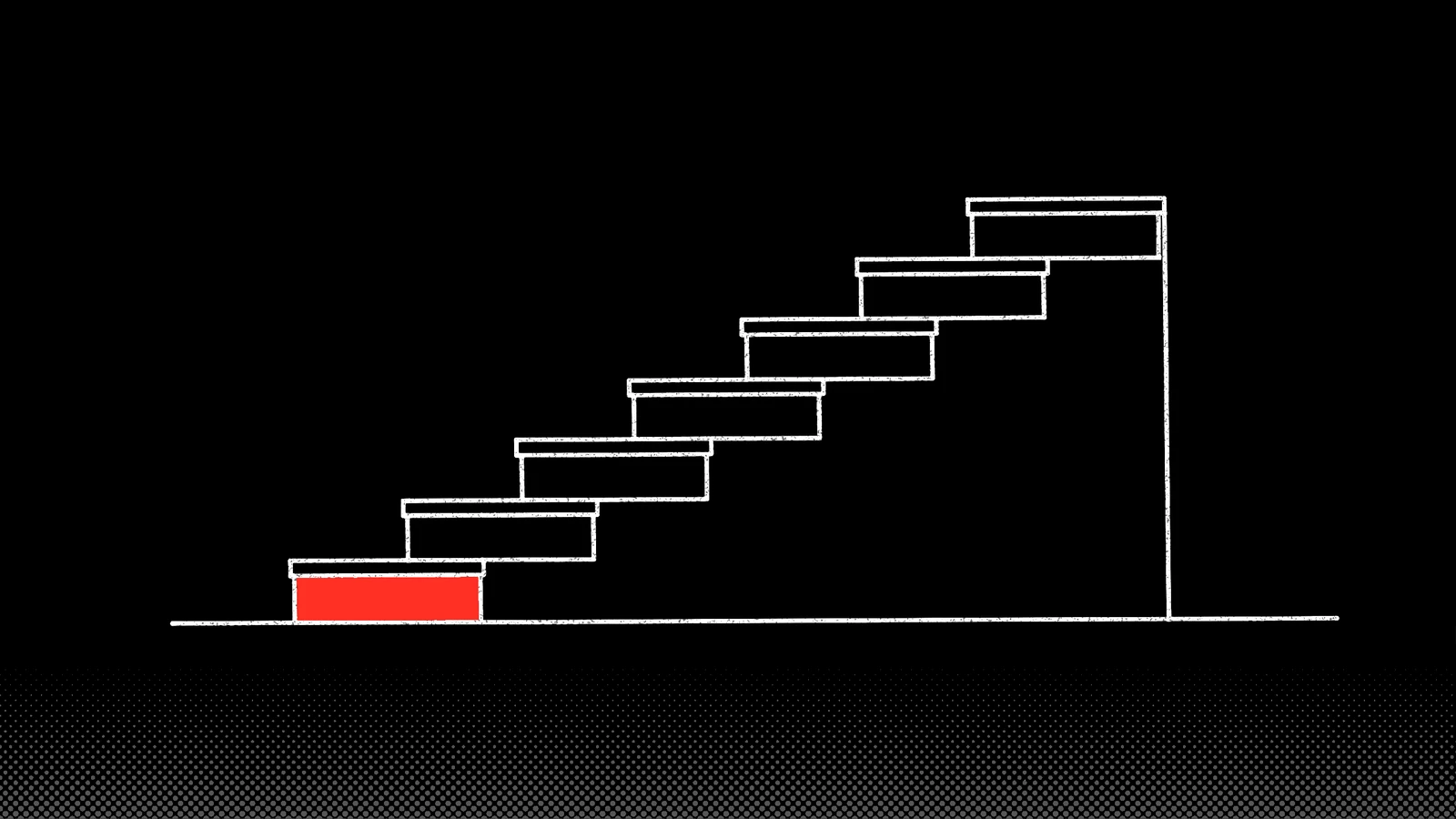
To start with chaos magic, read one page of background, make one sigil, charge it calmly, forget it, and log the result a month later, then add one new technique at a time in the order below.
Chaos magic, also spelled chaos magick, treats belief as a tool you pick up for a job and put down after. You don't need to believe anything first. You don't need a robe, an altar or a teacher either.
This page is a sequence. Do it in order. Each step links to the page and the tool that covers it.
What order should a beginner do things in?
1. Read the background
What chaos magic is takes five minutes and explains the frame. Read it, then stop reading. More background is the easiest way to never start.
2. Make one sigil
How to make a sigil, then open the Sigil Foundry. Pick a dull, checkable goal. "I keep a lighter in my pocket" is a fine first one.
Dull is good. You can score dull.
3. Learn one calm way into gnosis
Gnosis: ways to get there. Use slow breathing for a month before you try anything else. It costs nothing, and you're still useful the next morning.
4. Open the Log
The Log holds the check-back date for every working. Open it when the date comes and mark the result held, partly or nothing. Skip this step and you'll never know which of the other six did anything.
5. Add shoaling
Once single sigils feel routine, how to do sigil shoaling shows how to run several in one sitting. Not before. The Shoal tool does the shuffling.
6. Try a paradigm shift
Paradigm shifting in chaos magic. Draw a frame from the Paradigm Deck, wear it for one working, and take it off on schedule. Write the exit down before you put the frame on.
7. Build a servitor last
How to build a servitor is the step that needs the most care, because a servitor keeps running until you end it. Write the end date before you start. The Servitor Bench won't print a charter without one.
What are the main techniques?
- Sigils compress an intent into a mark the thinking mind stops chewing on.
- Gnosis is the still, one-pointed state you charge them in.
- Shoaling uses several sigils at once.
- Paradigm shifting swaps beliefs on purpose, for a set time.
- Servitors are small helpers with one job and an end date.
- Hypersigils stretch a sigil across a story or a long project.
Six techniques. You need one to begin.
Where did it come from?
The artist Austin Osman Spare is called the grandfather of chaos magic. His work from the early to mid 1900s is largely the source of its sigil technique and its use of gnosis. The movement itself took shape in England in the 1970s. In 1978 Peter J. Carroll published Liber Null and Ray Sherwin published The Book of Results, the first published books on chaos magic.
For the groups and writers around it, see Chaos magic groups and currents.
What should a beginner read?
Four books. Titles only, because any library or bookstore can get them for you.
- The Book of Pleasure, Austin Osman Spare, 1913.
- Liber Null & Psychonaut, Peter J. Carroll, combined edition 1987.
- The Book of Results, Ray Sherwin, 1978.
- Condensed Chaos, Phil Hine, 1995.
The older books were written for a different era and they read stiff. Take the methods and leave the costume.
What do beginners get wrong?
- Checking too soon. Looking at a working every hour reattaches the meaning you stripped.
- Starting with a servitor. Start with a sigil. The servitor can wait a month.
- Big goals. "My life improves" can't be scored, so it can't teach you anything.
- No log. Memory keeps the hits and loses the rest.
- Buying rank first. Some orders have grades and dues, and that's their business. No grade does the logging for you.
- Staying in a frame. If you put a belief on, write down how you'll take it off.
If a practice ever makes your sleep or your mood worse, stop, and talk to a person.
Is it real?
You don't have to decide that before you start. Is chaos magic real? How to test it shows how to find out for yourself, with a log and a calendar.
Art: Team Zer0