
Gnosis: ways to get there
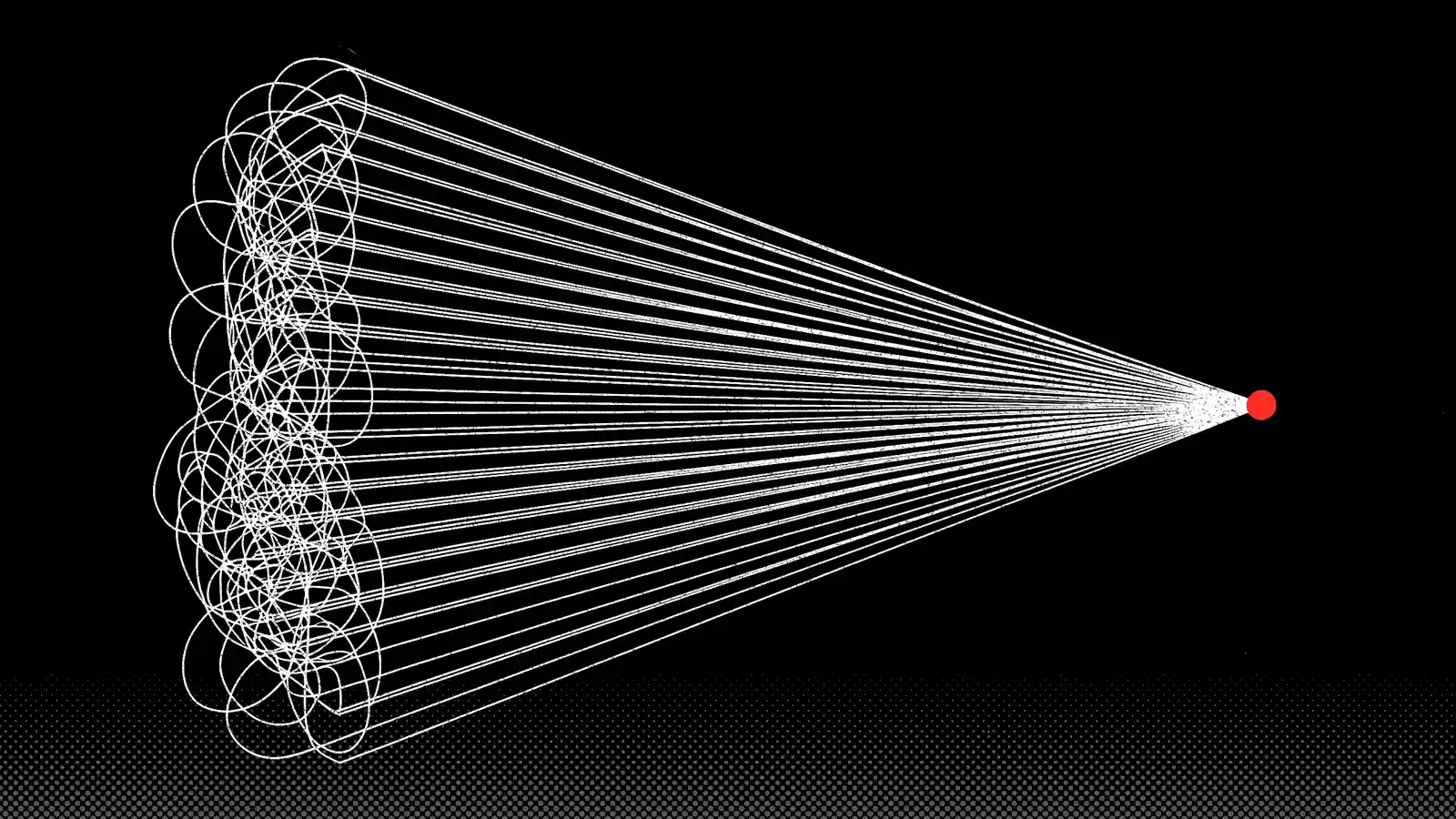
In chaos magic, gnosis is a state where the chatter stops and attention holds on one point, and you reach it most safely with slow breathing, steady gazing or deliberate muscle release.
Wikipedia defines it as an altered state in which the mind is focused on a single point and other thoughts are pushed out, so the working can bypass the conscious filter.
This use of the word comes from the 1978 books. Peter Carroll's Liber Null and Ray Sherwin's The Book of Results both use "gnosis" for this one-pointed state. Carroll listed other names for it: no-mind, samadhi, onepointedness. Wikipedia notes that the word, which is Greek for knowledge, was applied to this state without any etymological justification.
So even the name is borrowed. Chaos magic borrows everything.
Why do chaos magicians bother with it?
The sigil method needs a moment where the thinking mind steps out of the way. Charging a sigil without that moment is just staring at a drawing.
Austin Osman Spare, whose work is the source of the sigil method, developed the use of gnosis to empower sigils. Carroll and the early chaos magicians noticed that many states of exhaustion, arousal or inhibition make consciousness briefly blink. That meant a person could skip years of meditation training.
A shortcut, in other words, and some shortcuts go through a ditch.
The literature sorts the methods into three groups. Learn the calm one first.
Five calm ways to reach gnosis
Each takes one to five minutes. Pick one. Use it for a month before you try another.
1. Slow breathing
Two patterns, both on the Sigil Foundry's timer. Box: in four, hold four, out four, hold four. Long exhale: in four, hold seven, out eight.
If holding your breath is uncomfortable, shorten the holds or drop them. Breathing or heart condition: no holds at all.
2. Gazing
Rest your eyes on one object, usually the sigil, with a soft focus. When your mind wanders, bring it back without a fight. It will wander. Stop when the mark stops looking like anything.
3. Progressive muscle release
Start at the feet. Tense each muscle group for a few seconds, then let go, and work upward. Slow regular breathing, progressive muscle relaxation and self-hypnosis are all named as inhibitory methods in the literature.
4. Counting
Count breaths from one to ten, then start over. Lose count and you go back to one. The counting hands the talking part of your head a small, dull job, the kind it can't resist and can't turn into a story, and a head with a job that dull eventually stops narrating and just counts.
5. Casting on the side
Phil Hine and Jan Fries described a third kind, indifferent vacuity, where the working is done in passing so there's little thought to suppress. Washing dishes, walking, or waiting for a kettle can be enough, as long as the intent is already compressed into a sigil and you aren't trying to feel anything.
The kettle counts.
Which is better, calm or intense?
Calm, for the work this site covers.
Calm gnosis is called inhibitory in the literature, and it works by stillness. The first four methods above are the gentle kind of stillness: repeatable, and free the next morning. Gordon White, who died in May 2026, wrote that he preferred inhibitory gnosis.
The inhibitory list has a hard end too. It includes fasting, sleeplessness, sensory deprivation and trance-inducing drugs. Stillness is how it works. Stillness can also mean three days without food.
The other group, ecstatic gnosis, is reached through intense arousal. The sources list dance, drumming, chanting, sensory overload, strong emotion, sexual excitation, hyperventilation, flagellation, and disinhibitory or hallucinogenic drugs.
This site doesn't teach the harder methods from either list. Several can hurt you. None of them is needed for a sigil, and no sigil yet has asked for a fast or a flogging. Dizzy, ill or frightened: stop. If a practice makes your sleep or mood worse, talk to a person.
How long does gnosis last?
Short. Seconds to a few minutes. You're looking for a brief gap where the chatter stops. Send the sigil in through the gap, then stop trying.
How do you know it worked?
You can't check the state from inside it, and you don't need to. Check the working instead. Log the date, the method you used and the result a month later. Over a dozen workings you can compare methods against each other, and that's better evidence than how it felt at the time.
How it felt is the least reliable number you've got.
What to do next
- How to make a sigil puts gnosis into the five-step method.
- How to do sigil shoaling charges a batch in one sitting.
- What chaos magic is covers where the idea came from.
Art: Team Zer0